

KPI Analysis + Financial Modeling: Your Fastest Path to Marketing ROI
You’re spending more on Google and Meta ads than last year, but your marketing ROI barely moves. That’s a sign your budget isn’t tied tightly enough to real business results. KPI analysis combined with financial modeling can change that by showing exactly where your ad spend wins or wastes money. Let’s break down how linking these tools sharpens your decisions and boosts your growth—starting now. For more insights, check out this resource.
Mastering KPI Analysis

Your success in marketing hinges on understanding key metrics. By pinpointing what matters most, you can make informed decisions that drive growth.
Key Marketing Metrics Explained
Every successful campaign starts with knowing the numbers. KPI analysis helps you track what truly impacts your bottom line. Metrics like ROAS, CAC, and LTV reveal how well your strategies convert prospects into paying customers. Have you ever wondered why some campaigns outperform others? Often, it’s about understanding and acting on these insights. For example, a 20% increase in LTV can dramatically boost profitability.
But don’t stop there. Consider the payback period and how quickly your investments return as revenue. This is crucial for managing cash flow and scaling your marketing efforts. To dive deeper into how these metrics shape strategies, explore this Harvard Business School article.
Linking KPIs to Financial Outcomes
The next step is connecting your KPIs to financial results. This means translating data into dollars. Imagine improving your budget allocation by 15%. This doesn’t just save money—it redirects funds to high-impact areas. Most people overlook this, but aligning metrics with financial goals is what sets successful businesses apart.
Think of it as building a bridge between marketing and finance. This isn’t about vague numbers; it’s about clear, actionable insights. Learn more about maximizing ROI with strategic KPI alignment.
Data-Driven Marketing Strategies
Data drives decisions in today’s competitive market. Crafting strategies based on digital marketing analytics ensures you’re not just guessing what works. Instead, you’re using concrete evidence to guide every move. Why leave success to chance when data can steer you toward predictable outcomes?
It’s time to leverage your insights for smarter marketing. With the right strategy, you can turn data into a powerhouse of growth. Next, let’s dive into financial modeling to support these tactics.
Financial Modeling for Success

Once you understand your KPIs, it’s crucial to model your financial success. This means planning, forecasting, and budgeting with precision.
Crafting Dynamic Models
Effective financial modeling sets the stage for success. By creating models that adapt to changing market conditions, you’re always prepared. Imagine a scenario where a 5% drop in ad spend significantly increases your ROI. This is possible with dynamic models that react to real-world changes.
These models help visualize different paths to profitability. You’ll see exactly how changes in marketing spend affect your business. This is more than numbers; it’s about peace of mind knowing you have a plan for every situation.
Scenario Planning and Forecasting
Success isn’t just about reacting to the present; it’s about preparing for the future. Scenario planning allows you to anticipate changes and adjust strategies accordingly. Have you considered how shifts in customer behavior might impact your sales? Forecasting helps you stay ahead.
By running different scenarios, you can see potential outcomes and choose the best path. This proactive approach minimizes risk and maximizes opportunity, ensuring you’re ready for whatever comes.
Aligning Budgets with Growth Goals
Finally, align your budgets with your growth ambitions. This means more than allocating funds—it’s about strategic investment. Have you set clear growth goals? If not, now’s the time. When your budget reflects these objectives, every dollar works harder.
Budgeting isn’t just about cutting costs; it’s about strategic deployment of resources. With clear goals in mind, you can drive sustained growth. Ready to see your marketing ROI soar? Let’s enhance your approach further.
Enhancing Marketing ROI
Now that you’ve laid the groundwork, it’s time to boost your ROI. Conversion optimization and smart management are key.
Conversion Rate Optimization
Increased sales start with improving conversion rates. Focus on small changes that lead to big gains. By optimizing landing pages and testing ad copy, you can see measurable improvements. Have you analyzed your current conversion paths? Even a modest 10% increase can transform your bottom line.
Remember, it’s the small tweaks—like faster loading times or clearer calls-to-action—that often yield the greatest results.
Bid and Budget Management
Managing bids and budgets effectively ensures you’re getting the most bang for your buck. Are you tracking which bids lead to conversions? Smart bid management can lower costs while maintaining reach. Most businesses don’t realize how much they overspend without precise control.
Use automated tools and regular reviews to keep your campaigns performing optimally. This approach not only saves money but also ensures consistent returns.
Performance Dashboards and Alerts
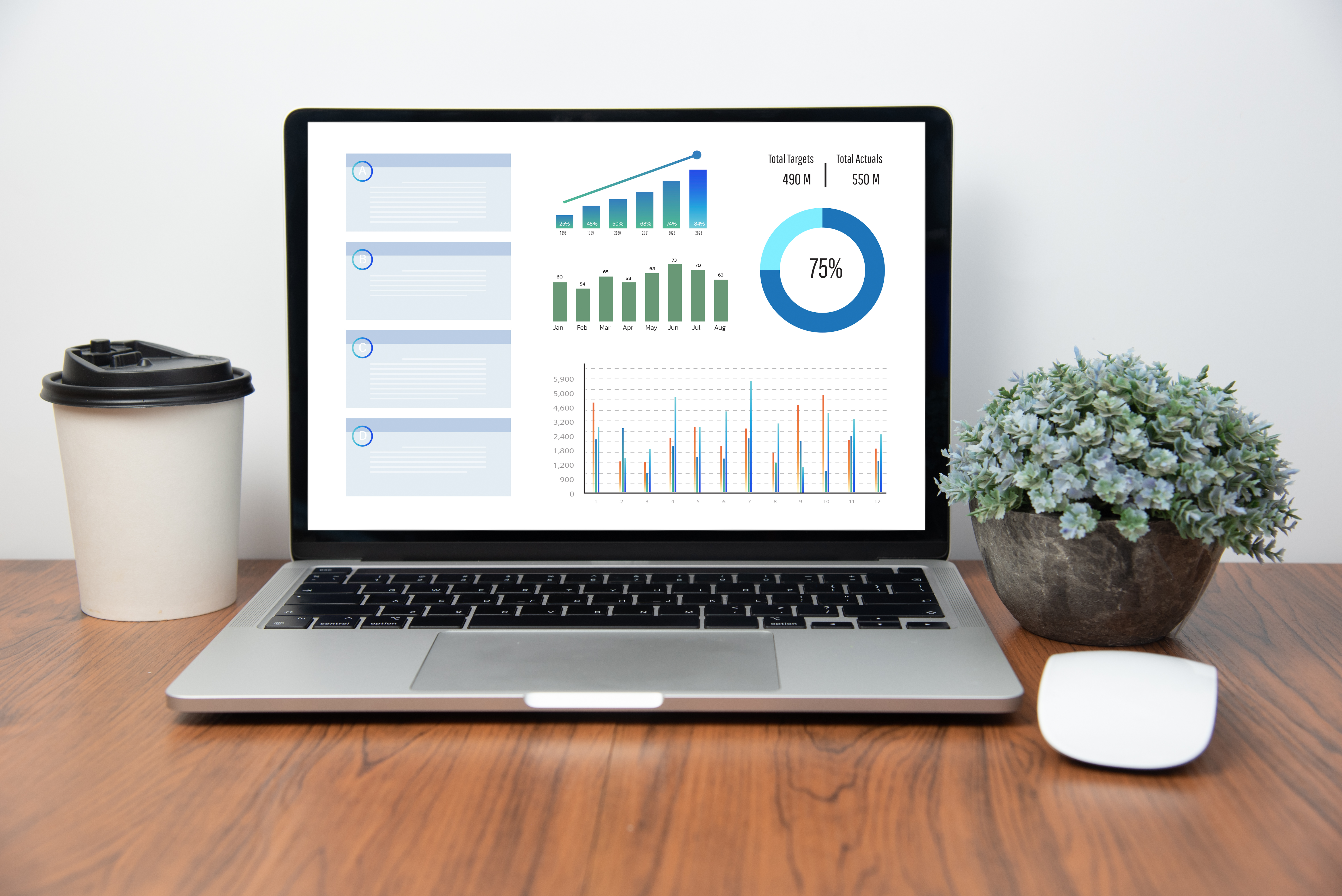
Performance dashboards provide real-time insights into your campaigns. Set up alerts to catch issues before they escalate. A well-timed alert about low performance could save thousands. Are you leveraging dashboards to their full potential? They’re not just for monitoring; they’re for optimizing.
Dashboards empower you to make swift, data-backed decisions. With this tool at your disposal, you can continuously refine strategies for better results.
🌟📈💡
By mastering these strategies, you’re poised to transform your marketing efforts and achieve remarkable business growth. Remember, each step you take today sets the foundation for tomorrow’s success.