

From Clicks to Profit: How KPI Analysis Maximizes Ad Spend Efficiency
You’ve likely spent thousands on Google and Meta ads that brought clicks but barely boosted your bottom line. Wasting budget on low-return campaigns drains your growth potential and frustrates your team. KPI analysis cuts through the noise by pinpointing what truly drives profit, helping you reallocate spend smartly and scale with confidence. Ready to see how your ad spend efficiency can improve with data-driven marketing?
## Understanding KPI Analysis
{mediaFileId=”yaizIvVJB0DE7DExqMzrFsXBAvT3kKcv”}
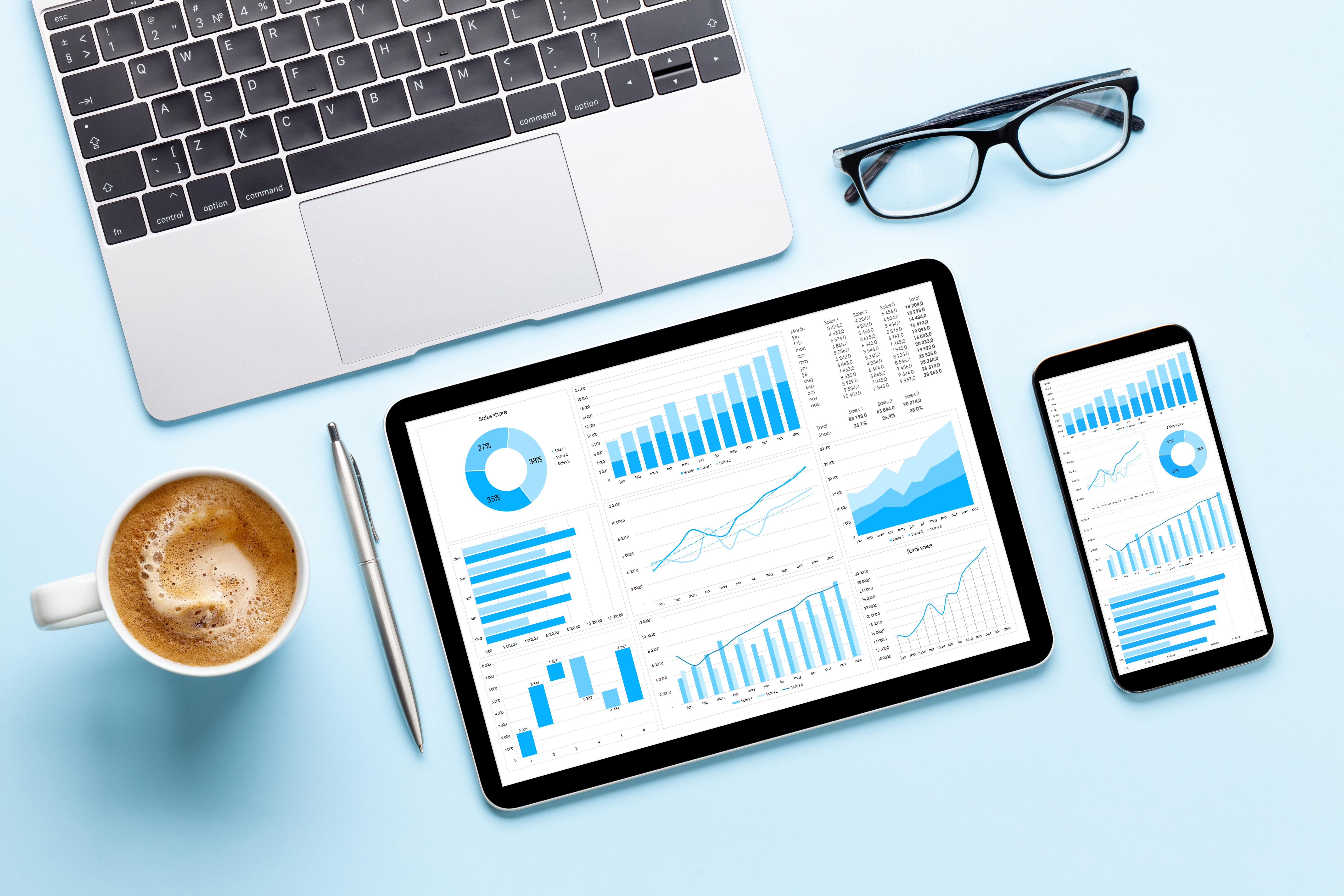
To boost your ad performance, dive into the world of KPI analysis. This approach uncovers insights that can change how you spend on ads.
### Importance of KPI Analysis
KPI analysis is like having a map for your marketing efforts. It shows you what works and what needs fixing. When you measure the right metrics, you can make decisions that lead to more sales and less waste. Most businesses focus on vanity metrics, but real growth comes from understanding numbers that matter. Did you know that **72%** of successful campaigns start with clear KPIs? This process helps you target the right audience and get better results.
Another benefit is clarity. With KPI analysis, you can see exactly where your money goes. This clarity helps you fix problems quickly. For instance, if a certain ad isn’t performing, you can either tweak it or cut it out altogether. This smart approach saves money and improves outcomes.
Want to explore more? Check out this [guide on key performance indicators](https://advertising.amazon.com/library/guides/key-performance-indicator).
### Key Metrics to Track
In the realm of KPIs, some metrics stand tall. *Return on Ad Spend* (ROAS) tells you how much revenue you gain from each dollar spent. *Customer Acquisition Cost* (CAC) shows how much it costs to get a new customer. When these two metrics are in balance, your profits soar.
Conversion rate is another crucial metric. It measures how many people take action after seeing your ad. A higher rate means your message hits home. But there’s a twist: not all conversions are equal. Track which leads turn into sales for a clearer picture. By focusing on these key metrics, your ad strategy becomes razor-sharp.
For more insights on marketing KPIs, visit [Harvard Business School’s blog](https://online.hbs.edu/blog/post/marketing-kpis).
## Enhancing Ad Spend with KPIs
{mediaFileId=”pLQsRpfQOq9GUDnR1kIUFmmecP3yGyCX”}
Understanding KPIs is only the first step. Next, learn how to apply these insights to fine-tune your ads and boost performance.
### Improving Google Ads Efficiency
Google Ads can be a goldmine if you know how to use them. Start by revisiting your keywords. Are they attracting the right audience? Use **A/B testing** to see what works best. Experiment with different headlines and calls to action. This simple tweak can increase engagement by **25%**.
Bid management is another area to explore. Focus on high-performing keywords and adjust bids accordingly. This targeted approach ensures you spend wisely. Consistent monitoring and adjustment prevent overspending and increase returns.
For a deeper dive, explore these proven [Google Ads optimization tips](https://www.iab.com/news/business-outcomes-are-now-the-top-buyer-kpi/).
### Meta Ads Management Strategies
Meta ads offer a unique way to reach people, but they require a different strategy. Start by crafting eye-catching visuals that stop users from scrolling. Next, use audience insights to tailor your message. This personalization increases relevance and engagement.
Consider setting up a performance dashboard. This tool tracks all your metrics in one place, making it easier to spot trends and issues. When you manage your ads with precision, your message reaches those who are most likely to convert. Remember: a **1%** improvement in ad targeting can lead to a whopping **40%** increase in sales.
For more on digital marketing KPIs, visit [AI Digital’s blog](https://www.aidigital.com/blog/digital-marketing-kpi).
## Data-Driven Growth Strategies
{mediaFileId=”pdbk3WtYb02wJEd10ov52c7gn35YNhCE”}
Now that you’re optimizing ads, focus on long-term growth. Data-driven strategies can help you stay ahead of the curve.
### Leveraging Performance Dashboards
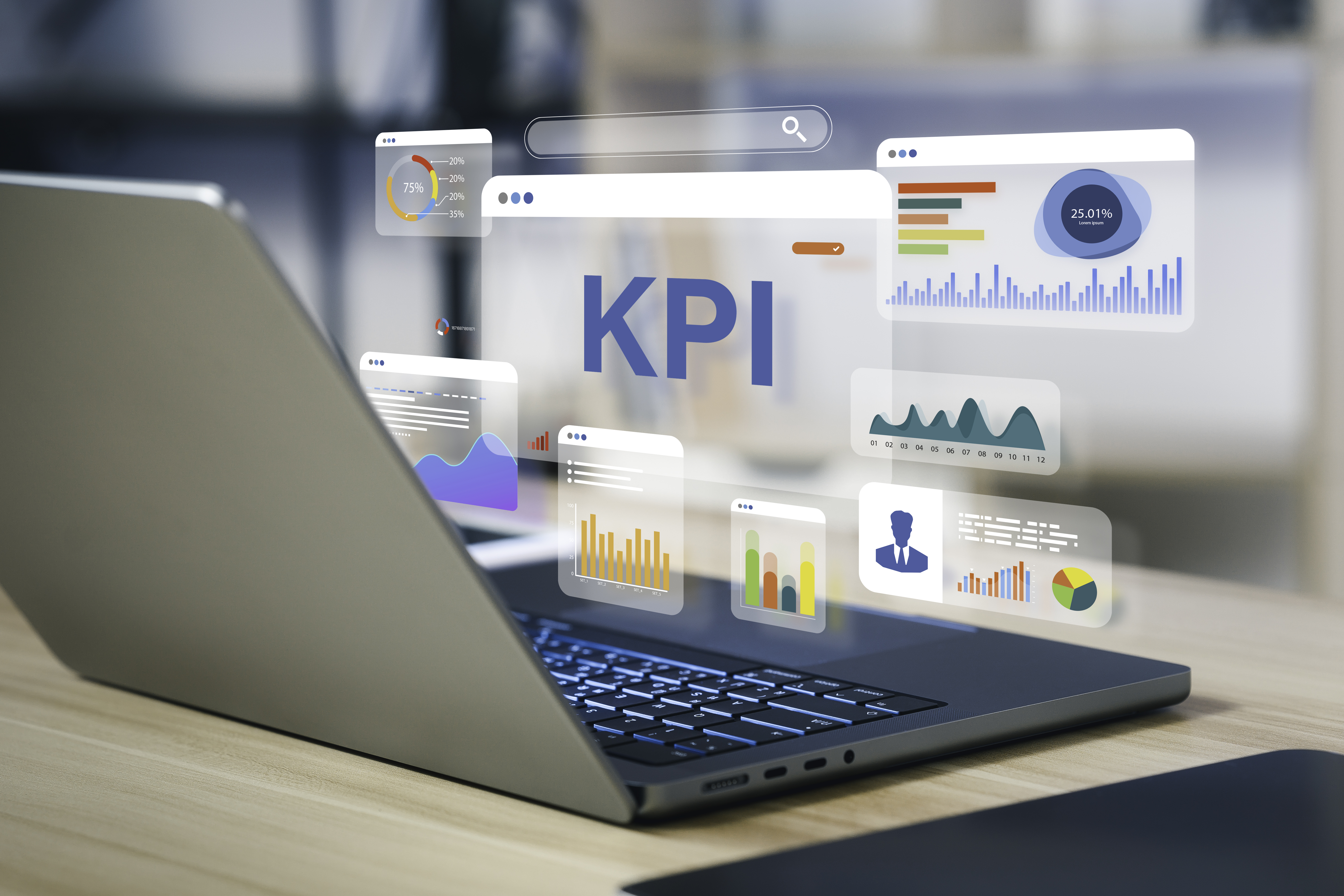
Performance dashboards are a game-changer for businesses. They provide a visual overview of your key metrics, making it easy to track progress. With real-time data at your fingertips, you can make quick adjustments to your strategy. This proactive approach prevents costly mistakes and ensures continuous improvement.
Dashboards also offer transparency for your team. Everyone can see what’s working and what’s not, fostering collaboration and innovation. When your team is aligned, your marketing efforts become more powerful.
### Crafting a Media Mix Model
A media mix model helps you allocate your budget across different channels. This balance maximizes reach and effectiveness. By analyzing past performance, you can predict future outcomes. This foresight allows you to invest more in channels that promise high returns while cutting back on underperformers.
Remember: diversification is key. Relying on one platform limits your potential. By spreading your efforts, you reduce risk and increase stability. A well-crafted media mix model can boost your marketing ROI and drive sustainable growth.
For more insights on how to use attribution modeling, explore this [external source](https://online.hbs.edu/blog/post/marketing-kpis).
In conclusion, KPI analysis is your secret weapon to smarter spending and higher profits. Start implementing these strategies today and watch your business grow.